How To Declutter Your Home
Decluttering your home isn’t just about getting rid of unwanted items — it’s about creating space, clarity, and a home that feels easier to live in. Whether you’re downsizing, getting ready for a fresh chapter, or simply tired of the visual noise that comes with too much “stuff,” this guide will help you approach decluttering with confidence and purpose.
Unlike many organising methods that rely on rigid systems or extreme minimalism, this approach focuses on practicality, everyday living, and making your home work better for you. It’s about clearing out what no longer supports your lifestyle and keeping what does.
Let’s begin the journey toward a calmer, more functional home.
Start With a Clear Intention
Before you touch a single drawer, basket, or shelf, take a moment to decide why you want to declutter.
Some common reasons include:
- Wanting your home to feel more peaceful
- Reducing the amount of visual clutter
- Making cleaning easier
- Preparing for guests or life changes
- Creating better flow and functionality
- Feeling less overwhelmed by daily mess
- Having more space for the things you genuinely enjoy
Your intention becomes your filter. Every decision you make will come back to one simple question:
“Does this item support the home I want to live in?”
If the answer is no, it’s a strong sign that the item doesn’t need to stay.
Define Your Home’s “Purpose Zones”
One of the biggest reasons clutter builds up is that items have no clear place to live. Before decluttering room by room, think about how you use your home and define key “zones” based on purpose.
For example:
- A quiet zone for reading, relaxing, or sleeping
- An active zone for cooking, crafting, or working
- A family zone for shared activities
- A storage zone for long-term items
- A drop zone near the entry for daily essentials
When you understand the purpose of each zone, it becomes easier to decide what belongs — and what doesn’t.
The Four-Category Sorting Method
Instead of the usual “keep/donate/bin” boxes, this method uses four categories that help you make more thoughtful choices.
1. Keep With Purpose
Items you actively use, love, or rely on.
2. Keep with Limits
Items worth keeping, but only within boundaries (e.g., “I’ll keep five towels, not ten”).
3. Let Go
Items that no longer serve a function, spark joy, or align with your lifestyle.
4. Relocate
Items that belong somewhere else in the house.
Separating “relocate” items stops you from wandering off mid-task and losing focus.
Room 1: The Living Areas
The living room tends to accumulate clutter without you even realising it. Cushions, blankets, magazines, games, décor, remotes, chargers, shoes, and random items all gather here because it’s a central, shared space.
Step 1: Clear the Surfaces
Start with coffee tables, side tables, shelves, and TV units. Remove everything and put back only what adds value to the room.
Step 2: Edit Your Décor
Too many decorative items can make a space feel crowded. Keep your favourites and let go of anything that feels like visual noise.
Step 3: Review Tech and Entertainment Items
Old remotes, random cords, DVDs, and unused devices add unnecessary clutter. Keep only what you use.
Step 4: Introduce Purposeful Storage
Think baskets, concealed cabinets, or drawers — not to hide clutter, but to give everyday items a proper home.
Room 2: The Kitchen
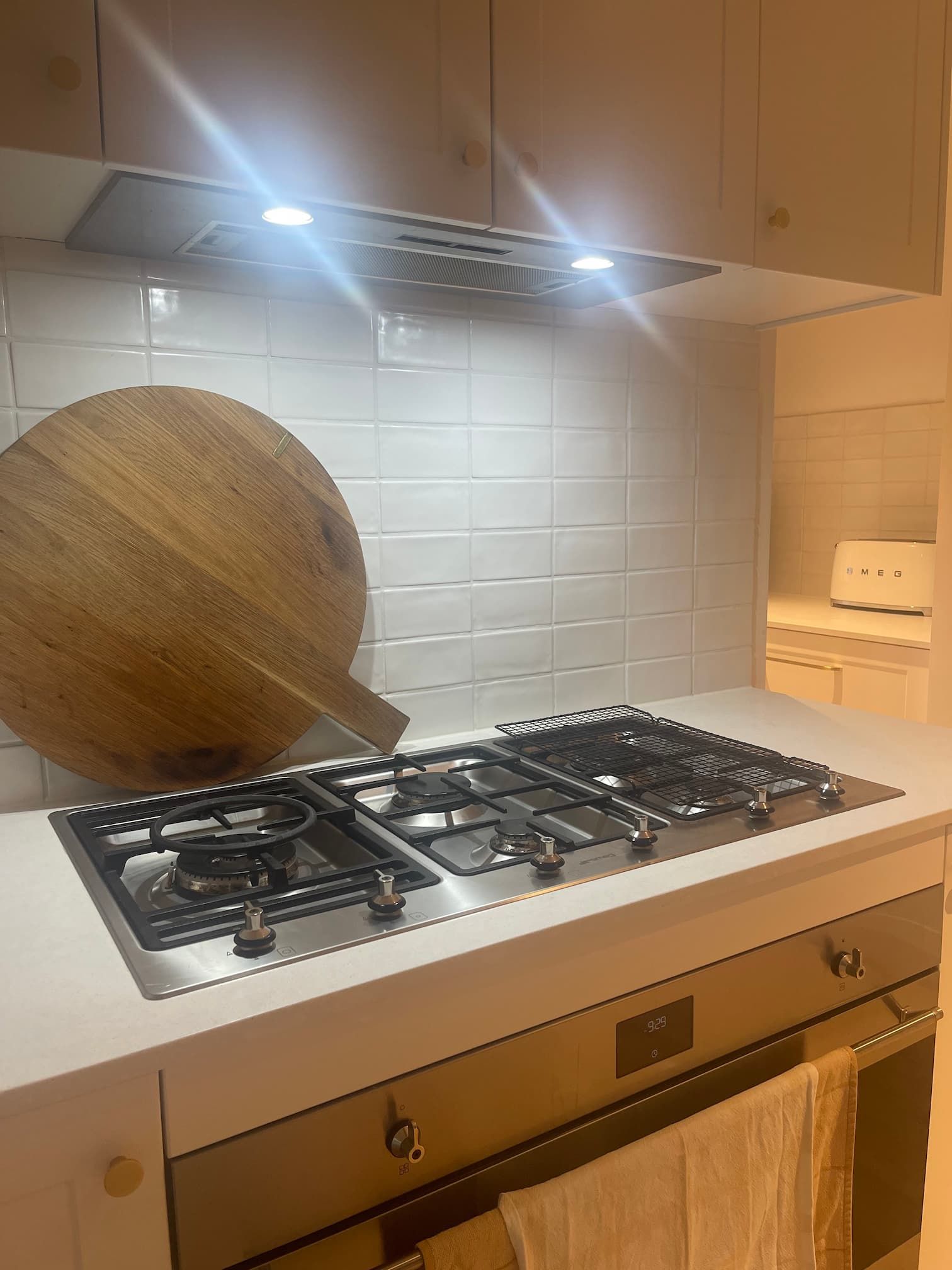
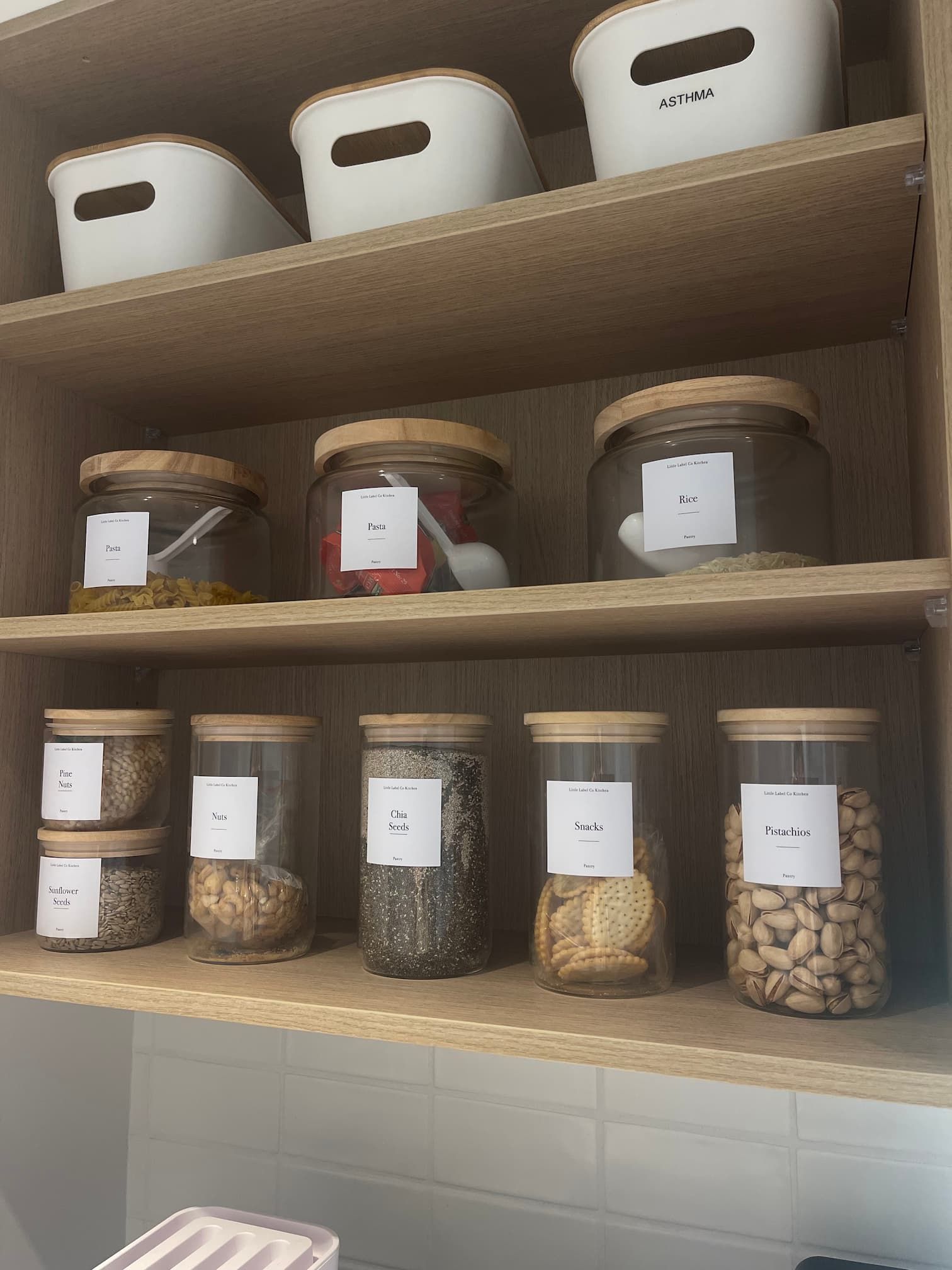
Kitchens are functional spaces, but they’re also magnets for clutter. Freebies, duplicate utensils, mismatched containers, expired food, and appliances you never use can take up valuable space.
Step 1: Empty One Section at a Time
Whether it’s a pantry shelf or a utensil drawer, reviewing smaller areas stops the process from becoming overwhelming.
Step 2: Remove Duplicates
Most households have far more plates, cups, and containers than they actually need. Keep sets that match your lifestyle.
Step 3: Rethink Your Benchtops
Only leave out items you use daily — everything else can be stored away to create a cleaner, more spacious feel.
Step 4: Use Containers and Zones
Group similar items together: baking goods, meal prep staples, snacks, cereals, tins, oils, and spices. This creates structure that’s easy to maintain.
Room 3: The Bedroom
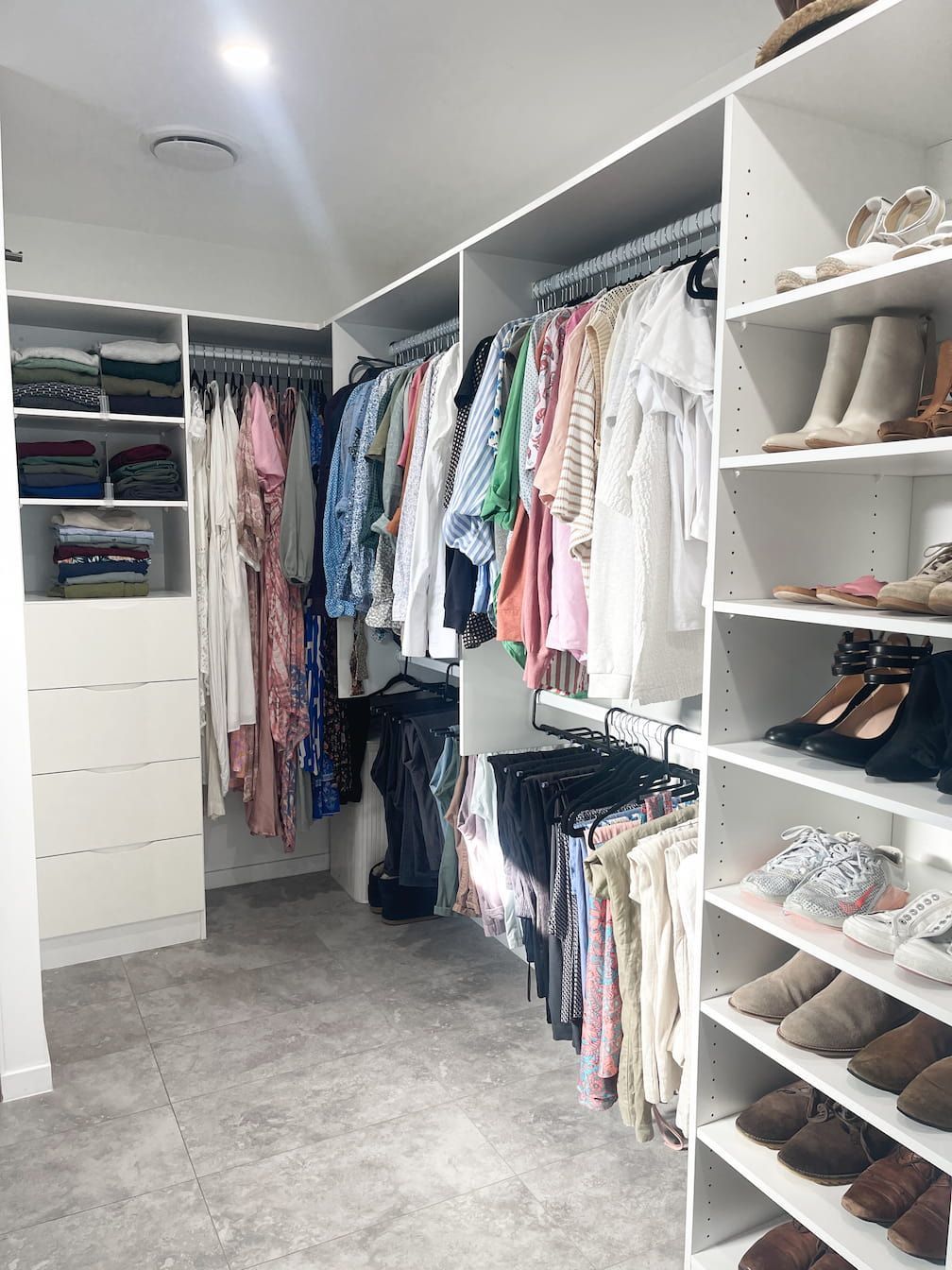
Your bedroom should feel calm and restful, but clothing, accessories, and miscellaneous items often pile up quickly.
Step 1: Declutter Clothing
Use these guiding questions:
- Do I wear it?
- Does it fit?
- Is it comfortable?
- Does it suit my current lifestyle?
Let go of anything that doesn’t meet at least two of those criteria.
Step 2: Simplify Surfaces
Nightstands often become catch-all areas. Keep them purposeful — a lamp, a book, or a glass of water — not storage.
Step 3: Review Bedside Drawers
These become clutter zones for chargers, receipts, beauty items, and random bits. Create small categories or use drawer organisers.
Step 4: Introduce Storage Boundaries
Capsule wardrobes, under-bed containers, and drawer dividers help control what stays — and what doesn’t.
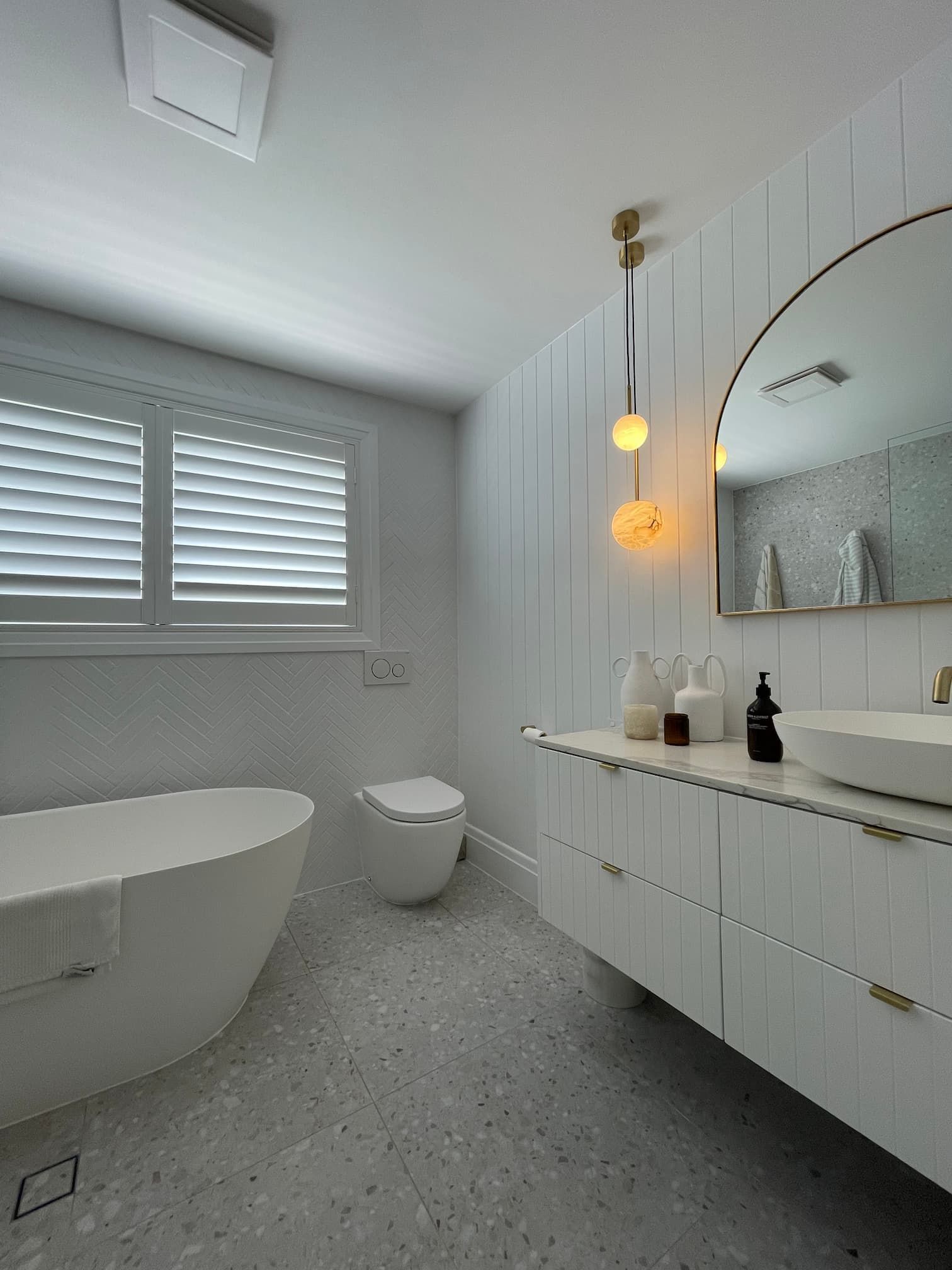
Room 4: The Bathroom
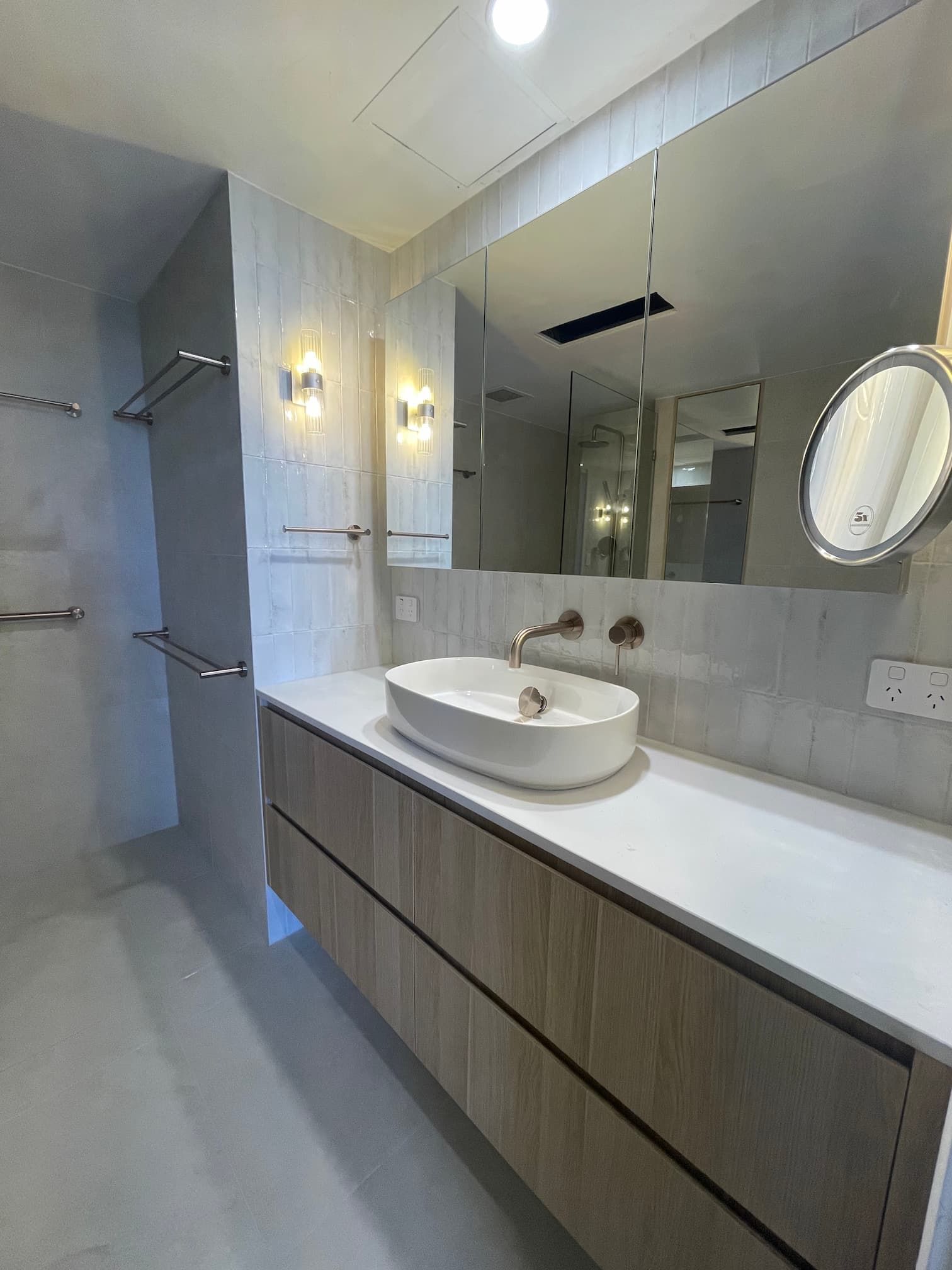
Bathrooms suffer from product overload more than any other space.
Step 1: Remove Expired Products
Makeup, skincare, haircare, sunscreens, medicines — check dates and discard anything out of date.
Step 2: Minimise Duplicates
Multiple shampoos, half-used products, and old samples take up space. Keep favourites only.
Step 3: Add Functional Storage
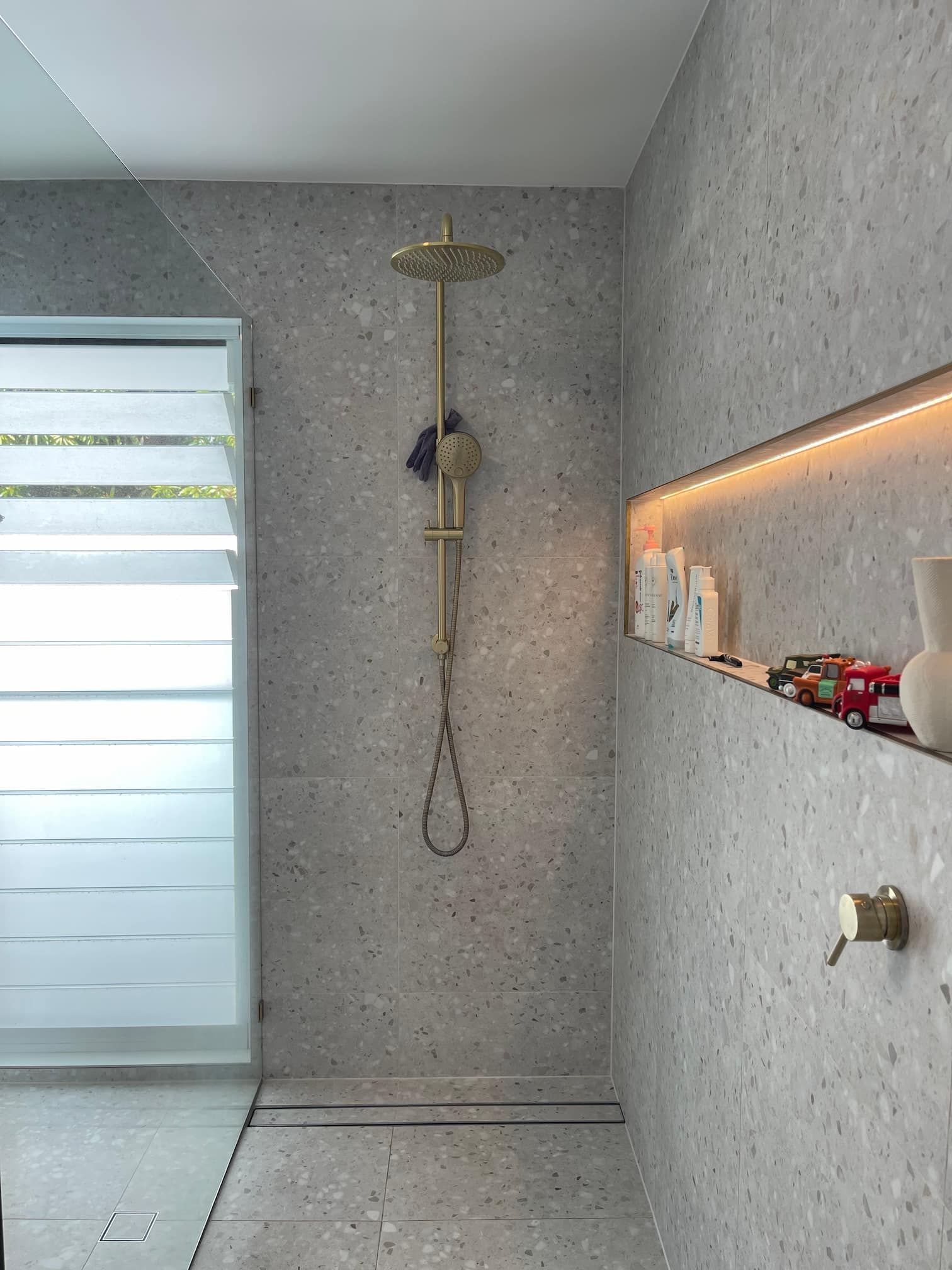
Use baskets, trays, or shelves to group items and keep surfaces clear.
Step 4: Keep It Simple
Clear, labelled storage makes it easier to maintain a clean bathroom long-term.
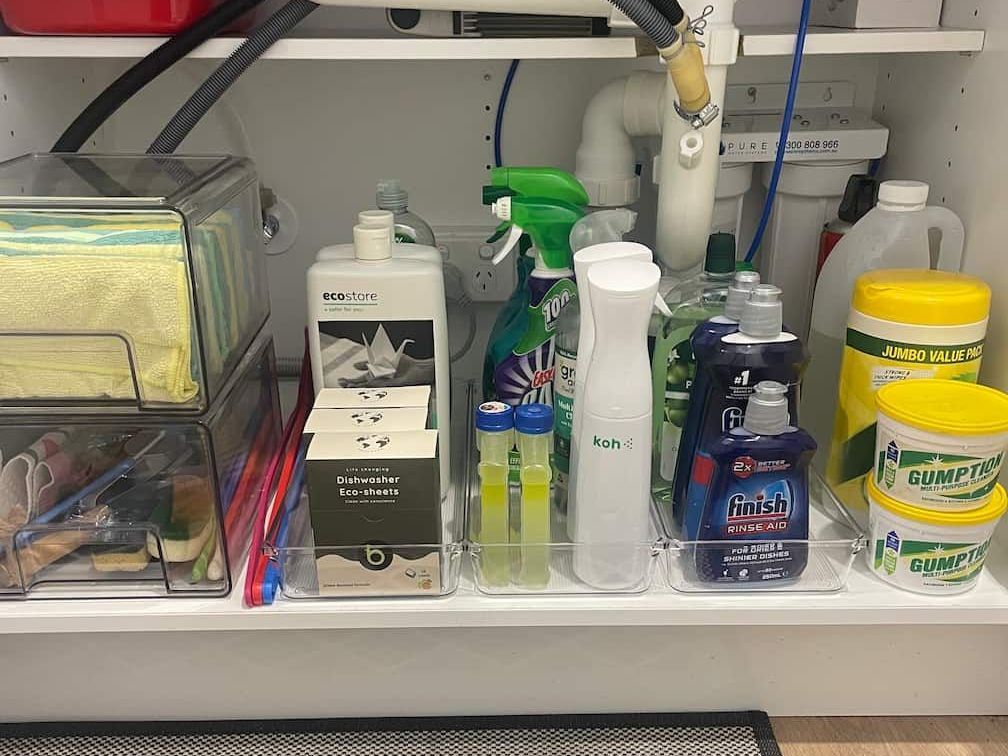
Room 5: The Laundry and Utility Areas
These spaces are often overlooked but quickly get cluttered with cleaning supplies, random tools, spare linens, and laundry items.
Step 1: Sort Through Cleaning Products
Remove old, empty, or unused bottles. Consolidate duplicates if safe.
Step 2: Designate Laundry Zones
Separate spaces for darks, lights, delicates, and linens help streamline your weekly routine.
Step 3: Review Tools and Utility Items
Keep only what you need and use. Create a toolbox category instead of scattering tools around the home.
Step 4: Maximise Vertical Space
Hooks, wall shelves, and labelled baskets help free up floor areas.
Room 6: The Entryway
Your entryway sets the tone for your entire home and is the first place clutter will appear.
Step 1: Sort Shoes and Bags
Decide what stays near the door and what belongs elsewhere.
Step 2: Clear the Surfaces
Mail, keys, coins, children’s items, and random belongings collect here. Give everything a home.
Step 3: Add Practical Storage
Baskets, hooks, shelves, and trays create structure and reduce mess instantly.
How to Handle Sentimental Items
Sentimental items are often the biggest barrier to decluttering. Use these strategies when facing emotionally loaded items:
- Keep a “memory box” with a set size
- Photograph items you want to remember but don’t need physically
- Ask whether the memory lives in the item, or in your mind
- Display a few meaningful pieces instead of keeping everything
It’s okay to keep sentimental things — just keep them within boundaries that feel healthy rather than overwhelming.
Create a Maintenance Rhythm That Works for You
Decluttering isn’t a one-time event — it’s an ongoing rhythm. The goal isn’t perfection but creating a home that’s easy to maintain.
Three simple habits will help:
1. The Daily Reset
Spend a few minutes returning items to their proper place.
2. The Weekly Sweep
A quick whole-home check to spot items that have drifted from their zones.
3. The Seasonal Review
Revisit clothing, toys, pantry items, décor, and storage every few months.
These rhythms keep your home feeling in order long after the big clean-out.
Final Thoughts
Decluttering your home is about giving yourself the space, freedom, and simplicity you deserve. It’s not about throwing everything out or sticking to a rigid system — it’s about creating a home that feels lighter, calmer, and more aligned with the life you want to live.
As you let go of the items that no longer serve you, you make room for ease, clarity, and genuine enjoyment of your space.
Whenever you’re ready for support, Scrub & Sort .Co can help transform your home with personalised, hands-on organising that takes the stress out of the process. Get in touch with our Gold Coast home organisers today.

Written by Isabelle
Isabelle, the founder of Scrub & Sort .Co, comes from a background in interior and product design. With a natural eye for how a home can look, feel, and function, she blends creative styling with practical systems that truly work for everyday living.